Showing posts with label Technology. Show all posts

Sunday, 13 August 2023

AI Breakthrough in Parkinson's Disease: A New Ray of Hope


In a groundbreaking discovery, scientists have harnessed the power of artificial intelligence (AI) to identify four distinct subtypes of Parkinson's disease. This innovation boasts an impressive accuracy rate of up to 95%, igniting hope for millions of patients worldwide.


The research, a collaborative effort between the Francis Crick Institute and the UCL Queen Square Institute of Neurology in London, involved "training" a computer program. This program utilized patient-derived stem cell images to distinguish between the different subtypes of Parkinson's.


This monumental study, which has been featured in the esteemed journal Nature Machine Intelligence, could revolutionize the way we approach personalized medicine and targeted drug research.


Parkinson's disease is a neurodegenerative disorder that gradually damages the brain over time. Sonia Gandhi, the assistant research director at the Crick's Neurodegeneration Biology Laboratory, shed light on the challenges faced in treating Parkinson's. She emphasized the current limitations in understanding the exact mechanisms at play in a living patient's brain, which hinders the delivery of precise treatments.


However, this new AI model, which uses a patient's neurons and a plethora of images, has the potential to identify disease subtypes in real-time. This could be a game-changer, allowing scientists to test drugs on stem cell models and predict a patient's response before even considering clinical trials. The ultimate goal? To revolutionize the way we administer personalized medicine.


Parkinson's disease manifests in various ways, from involuntary tremors and slow movements to rigid muscles. Patients also grapple with a spectrum of psychological symptoms, including depression, anxiety, and memory issues. These symptoms differ among patients due to the diverse underlying causes of the disease.


Historically, the medical community faced challenges in distinguishing between Parkinson's subtypes. This often resulted in generic diagnoses, depriving patients of specialized treatments and care.


For this study, the scientists generated stem cells from patients, which were then chemically transformed into four Parkinson's subtypes. Two of these subtypes were linked to the toxic accumulation of the alpha-synuclein protein, while the other two were associated with malfunctioning mitochondria.


In collaboration with British tech firm Faculty AI, the researchers crafted machine-learning algorithms. These algorithms could accurately determine the Parkinson's subtype from previously unseen images.


James Evans, a PhD scholar at the Crick and UCL, highlighted the significance of AI in this research. He mentioned the vast amounts of data generated through advanced imaging techniques, much of which was previously discarded. With AI, they could extract and analyze more information than ever before.


The team is optimistic about expanding this methodology to delve deeper into the cellular mechanisms of other Parkinson's subtypes, paving the way for a brighter future for patients worldwide.

Saturday, 12 August 2023

Samsung's Ambitious 256TB SSD: A Potential Game-Changer


In a recent revelation, Samsung has hinted at a groundbreaking development that could revolutionize the storage industry. At the Flash Memory Summit 2023, the tech giant teased details about a massive 256TB SSD, leaving tech enthusiasts eager for more.


During the summit, Yong Ho Song, the Corporate EVP of Memory Solution Product & Development at Samsung, unveiled their latest marvel, stating it as "a 256TB SSD showcasing an unparalleled integration density." Interestingly, this SSD is QLC-based, targeting hyperscalers and enterprises. However, there was a conspicuous absence of any mention of PLC (Penta level Cell), which has raised some eyebrows.


Diving deeper into the press release, Samsung claims that a single 256TB SSD would consume almost seven times less power than stacking eight 32TB SSDs, even though both configurations store the same data volume. This statement has left many puzzled, prompting further analysis.


While Samsung might be pioneering a QLC enterprise SSD, they aren't the first in the market. Solidigm's D5-P5336 has already demonstrated that performance, capacity, and affordability can coexist. With Samsung entering the fray, it's evident that more players will soon join the bandwagon.


The introduction of a 256TB SSD poses a significant threat to traditional hard disk drives, such as the Exos X20. Although HDD manufacturers are gearing up to launch their 26TB and 30TB variants, the clock is ticking against them.


Decoding the Samsung SSD Mystery


Samsung's 8th generation V-NAND, boasting a 236-layer and 1Tb capacity, was launched in November 2022. This technology, which Samsung claimed had the highest bit density at its release, is probably the backbone of the 256TB SSD. Simple math suggests that around 500 1Tb (128GB) chips would be packed into this SSD, raising questions about its form factor given the power consumption.


The 3.5-inch form factor, reminiscent of the 100TB SSD by Nimbus Data, seems a likely choice, especially since it can directly replace SATA/SAS-based HDDs. However, newer form factors like the Enterprise and Data Center Standard Form Factor (EDSFF) such as E1.L and E3.L 2T, which can deliver up to 40W and 70W respectively, might also be in the running.


Interestingly, Samsung's press release also alludes to a 32TB SSD, a product they currently don't offer. This might be a nod to their 32TB SSD prototype from 2017, which was never released. Given that the 8th generation V-NAND is eight times the size of the 4th generation V-NAND, a 2.5-inch form factor seems a probable choice for the 256TB SSD.


Supporting this theory, Samsung has also announced their commitment to the 2.5-inch standard with the upcoming PCIe 5.0 SSD, the PM9D3a, albeit with a 7.68TB/15.36TB capacity.


In conclusion, Samsung's 256TB SSD announcement has stirred the tech world. While we await more details, it's evident that the future of storage is leaning towards SSDs, potentially phasing out traditional HDDs.

Saturday, 3 December 2022

Nvidia may be killing some of its most popular GPUs


The Nvidia GeForce RTX 2060 and GTX 1660 lines may no longer be in production. Nvidia could be ending production of its two most popular graphics cards, according to WCCFTech and sources in the Asia Pacific manufacturing industry.

This comes as a bit of a shock, considering both of these cards are among the most popular GPUs in the world. According to a Steam hardware survey from this past October, the GeForce RTX 2060 is the second most-used card in the world, with a 6% market share (the GTX 1060 is number one). The GTX 1660 is the eighth most popular, with a nearly 3% share.

But it is not only the RTX 2060 and GTX 1660 that Nvidia is cancelling. It’s their entire lines.

The RTX 2060 launched only three years ago, in June 2019. A year later, they updated the card with the RTX 2060 Super, and only last year, in the summer of 2021, the RTX 2060 got a further upgrade with a 12GB version. All three cards are no longer in production.

The same is true for the GTX 1660, which also launched in 2019 and saw updates to a SUPER model and the famous 1660 Ti model. This was undoubtedly a budget card compared to the 2060, but it still offered decent performance.

We reached out to Nvidia to find out if they will continue to support these cards and for how long. After all, there are things like drivers and warranties to keep updated. We haven’t heard back yet.

Meanwhile, Nvidia’s newest 40-series GPUs continued to suffer pricing issues, production delays, and sometimes melt. Nobody had them yet when Steam did their survey, so we have no idea how many are out in the wild right now, but at prices of more than $1,500, we don’t expect to see many.

One of the primary reasons for the cancellation of these two lines has to do with the crypto mining crisis of 2020 to 2021. Miners were buying up GPUs like they were going out of style, and then China surprised everyone by suddenly banning the practice. Thousands of these more affordable RTX 2060 and 1660 units flooded back onto the market as miners dumped their hardware. The recent crypto crash hasn’t helped.

Now, Nvidia is left with plenty of unused stock and is competing against itself in the used GPU market. Its modern and expensive 40-series GPUs may not be moving as fast as Nvidia had hoped. There really is no point for the company to continue to produce these older units.

Last year’s RTX 3060, on the other hand, is a fantastic GPU and was the fourth most popular graphics card on the market, according to Steam. It had a 5.74% market share, putting it slightly behind the 2060. For anyone looking for a good Nvidia card without spending all their money, this could be the perfect option for you.

Source: https://www.msn.com/en-gb/lifestyle/shopping/nvidia-may-be-killing-some-of-its-most-popular-gpus/ar-AA14Hlmw?ocid=anaheim-ntp-feeds&cvid=aa9d23af7bb747e1a7b34db8c85a8acc

Friday, 2 December 2022

Nvidia RTX 4090 hack could save you money and stop your cables melting


Nvidia’s RTX 4090 can have its power usage tamed considerably while still delivering most of the performance you get at default levels, according to some fresh testing.

Quasarzone conducted tests (as flagged by Hardware Times) to ascertain the frame rates the RTX 4090 managed in a selection of five games at 4K resolution (max details) at its out-of-the-box settings – and a power usage of 347W – before comparing that to what the graphics card hit with the power limit manually adjusted downwards in steps.

Limiting power usage to 326W (a power limit setting of 80%) saw frame rates remain at 99.1% compared to the default, and further dropping to 305W (70%) resulted in 97.8% of the performance level being maintained. In all honesty, most folks are not going to notice what is only a 2% difference.

So, the takeaway here is that if you have an RTX 4090, it’s very easy to adjust the power limit and bump it down to the 300W level without really making any noticeable difference to your overall fps (frames per second).

Even at the 60% power limit level, which draws 268W, frame rates were 93.9% which still isn’t too far off the pace.

Bearing in mind this is true at 4K for the tested games, and if you’re wondering what they were, Quasarzone employed the following titles: Cyberpunk 2077, Forza Horizon 5, Lost Ark, PUBG and Spider-Man Remastered.

Analysis: Won’t somebody please think of the adapters…

Those who own an RTX 4090 – and there are quite a few enthusiast buyers out there who’ve taken the plunge with this high-end GPU – are no doubt reading this with interest, especially given the whole controversy around Nvidia’s Lovelace flagship and the cases of melting power adapters.

If you’re a little paranoid due to this whole episode – and admittedly, it affects just a very small number of GPUs according to Nvidia’s stats, though any at all is too many really – power limiting could be a useful workaround to bear in mind. Turning that power usage down somewhat may help to stave off any danger of things going bad with an adapter.

Not only that, but if doing so means less power usage for pretty much the same performance – it’s not going to be a noticeable difference to your gaming experience to drop 2% of fps, realistically – then why wouldn’t you do so if you also have an eye on energy bills. After all, there’s a cost-of-living crisis in full swing, with power bills sky-high for some folks, so why not keep the power guzzling of the Lovelace flagship to an acceptable minimum. While doubtless also helping to ensure your gaming PC is easier to cool, for that matter.

An interesting point all this raises is that the TGP of the RTX 4090 being set at 450W certainly leaves a massive amount of headroom when you consider that in fact the RTX 4090 can be run at 300W – two-thirds of that amount – while still delivering excellent performance levels. Although comparing an overclocked RTX 4090, rather than one at default settings, to a power-limited flagship GPU is going to be something of a different matter, naturally.

Still, looking at this testing does make you wonder whether it would’ve been wise for Nvidia to have eased down on the default settings a bit further still.

Quasarzone also looks at undervolting the RTX 4090, which can provide even better results than power limiting, but it’s a much trickier beast to deal with, while adjusting the power limit is a very simple task. So for most people, the convenience of being able to do this quickly and easily far outweighs the extra gains of undervolting – and the difference isn’t huge, either, it should be noted, with power limiting still providing great results.

Source: https://www.msn.com/en-gb/news/techandscience/nvidia-rtx-4090-hack-could-save-you-money-and-stop-your-cables-melting/ar-AA14HbfG?ocid=anaheim-ntp-feeds&cvid=aa9d23af7bb747e1a7b34db8c85a8acc

Thursday, 1 December 2022

Nvidia RTX 4080 costs too much, recent survey shows


Nvidia’s GeForce RTX 4080 is its second-most-powerful graphics card, and that high performance comes at a cost that gamers feel is too high, according to a recent survey. Priced at $1,200, it supports DirectX 12 Ultimate capability, exceeding the blazing performance of the previous generation’s best, the GeForce RTX 3090 Ti.

Despite the amazing graphics performance of the GPU and its 16GB of memory, most gamers in a recent survey felt it was overpriced. This demonstrates how much we’ve come to assume that technology will continue to get faster without any significant increase in cost. That is partially true since manufacturing advances and ongoing miniaturization help, but there are other factors that can affect pricing, such as the after-effects of the global pandemic.

According to a TechPowerUp survey of over 11,000 readers, the ideal price for the Nvidia GeForce RTX 4080 is $800, with nearly as many suggesting $700 would be perfect. The RTX 3080 cost $700, showing that most customers are willing to pay a bit more ($100) for the generational advance but didn’t expect a $500 increase to $1,200. Nvidia has sold out of the RTX 4080 on its website with strong demand despite the cost, and they have undoubtedly considered pricing very well.

22% of respondents thought $800 would have been the perfect price for the 16GB RTX 4080, 21.7% chose $700, and 14.5% hoped for $600. A few dreamy-eyed gamers wished for the RTX 4080 to cost less than $400. Sadly, Nvidia would likely go out of business with such ridiculously low pricing. Only a smattering of people thought Nvidia should charge $1,200 or more, representing just 2.5% of those surveyed.

Ironically, a lower-cost 12GB version of the RTX 4080 was announced and then immediately “unlaunched” due to customer outrage. This would have been closer to the ideal price and might have satisfied some customers’ requests for a more affordable 4080. Unfortunately, besides the lower memory capacity, it also featured a less-powerful chip. Nvidia might still launch this graphics card but hasn’t shared any details.

Nvidia does make an effort to stay in touch with its customers, and perhaps this survey will help inform future plans for GPU pricing. On the other hand, the company is still struggling to keep enough product in stock, and with such high demand, it would be a difficult corporate decision to lower prices.

Source: https://www.msn.com/en-gb/lifestyle/shopping/nvidia-rtx-4080-costs-too-much-recent-survey-shows/ar-AA14HLXX?ocid=anaheim-ntp-feeds&cvid=aa9d23af7bb747e1a7b34db8c85a8acc

Sony and Honda teaming up for electric car in 2025 — and it could have PS5 inside


 Sony has grand plans to enter the electric car business, teaming up with Honda to produce an electric car people will actually be able to buy. But it sounds like the car will be able to do more than get you from place to place. In fact it could feature a built in PS5, in an attempt to compete with Tesla.

Izumi Kawanishi, head of Sony’s mobility business, teased this possibility when speaking with the Financial Times. “Sony has content, services and entertainment technologies that move people,” Kawanishi said. “We are adapting these assets to mobility, and this is our strength against Tesla.” 

He also added that it was “technologically possible” for Sony to include a PS5 platform in its cars, and that “Tesla is not providing any content services” of its own.

Despite the strides traditional automakers have made in developing electric cars, Tesla is still the company to beat. Tesla is also notable for giving drivers the option to play AAA video games in some of its more premium models — most notably The Witcher 3 and Cyberpunk 2077. Steam integration has also been promised, but so far nothing has materialized for the general public. 

While video games in a car may seem fairly counter productive, the idea is that people have something to do at times when the car can’t be driven such as when it’s recharging. It’s the same reason why some cars, notably Tesla, offer access to services like Netflix.

Obviously developing a catalogue of games for this fairly niche purpose is difficult — especially if you can’t take your progress out of the car. That’ll be a big part in why Tesla wants Steam integration, since it gives gamers access to their existing game libraries and the opportunity to store their save files in the cloud.

Sony’s advantage is that it has total control over its own gaming platform, and Kawanishi notes that it would be built directly into the car rather than added later as a software update. The other obvious advantage is that there wouldn’t have to be any licensing or deals that would need to be struck. Likewise there's no issues with a game’s system requirements, because all PS5 hardware is more or less identical. The same can’t be said for gaming PCs.

Of course, like Tesla, Sony’s goal is to make its cars completely autonomous. That’s partly why Honda and Sony teamed up in the first place, with Sony providing sensors and software, while Honda builds the actual cars. So Sony is planning ahead, to ensure the autonomous cars of the future are capable of keeping passengers engaged.

However, Kawanishi emphasized that this is a long way off. Sony may be aiming to launch its first electric car around 2025, but that car won’t be fully autonomous. “Autonomous driving will have to evolve considerably from the current level to get to that point,” Kawanishi said, “and it will take time for that to happen.”

But we don’t need to wait for Sony’s autonomous car to see a bonafide PlayStation built into a car. Let’s just hope it doesn’t end up being as difficult to buy one as it is to get a PS5 right now.

For anyone looking for a truly high-end gaming laptop with a good discount


For anyone looking for a truly high-end gaming laptop with a good discount, Dell has one of the best gaming laptop deals around. Right now, you can buy the Alienware x17 R2 gaming laptop for $2,900 direct from Dell. Normally priced at $3,580, you save a considerable $680 off the usual price so while this isn’t a cheap gaming laptop, it is an excellent discount. Let’s take a look at why it’s worth your money.

Why you should buy the Alienware x17 R2 gaming laptop

The Alienware x17 R2 gaming laptop has all the specs of one of the best gaming laptops you can buy. It’s the thinnest 17-inch gaming laptop around but with some impressive specs that will make all your games look fantastic. That includes a 12th generation Intel Core i9 processor, a huge 32GB of memory plus 1TB of SSD storage. Graphics card wise, you get an Nvidia GeForce RTX 3080 with 16GB of VRM so you simply can’t get better than this in laptop form at the moment. Many gaming laptops stick with 16GB of memory so seeing twice the amount here is great to see for future-proofing.

There’s also a fantastic display in the form of a 17.3-inch UHD panel with 120Hz refresh rate and 4ms response time. Sure to make all your games look gorgeous, it works wonderfully with the GeForce RTX 3080 graphics card. Appreciating that gaming laptops need something different from the best laptops, the Alienware x17 R2 gaming laptop also has an optimal thermal design so you won’t have to worry about overheating even during marathon gaming sessions. Support for Dolby Vision and Dolby Atmos also means you get a truly high-end experience every time, experiencing things just how the developer envisaged. Even the keyboard is well designed being highly responsive and offering anti-ghosting technology, 1.5mm key-travel, and N-key rollover technology.

Ordinarily priced at $3,580, the Alienware x17 R2 gaming laptop is down to $2,900 right now at Dell. A considerable saving of $680, if you’ve been budgeting for a high-end gaming laptop that will last you a long time to come, you’re going to love this system from Dell. Buy it now before the deal ends.

Buy Now

Source: Digital Trends

Tuesday, 29 November 2022

For The Younger People: What is a Floppy Disk? It's Not The Save Icon.


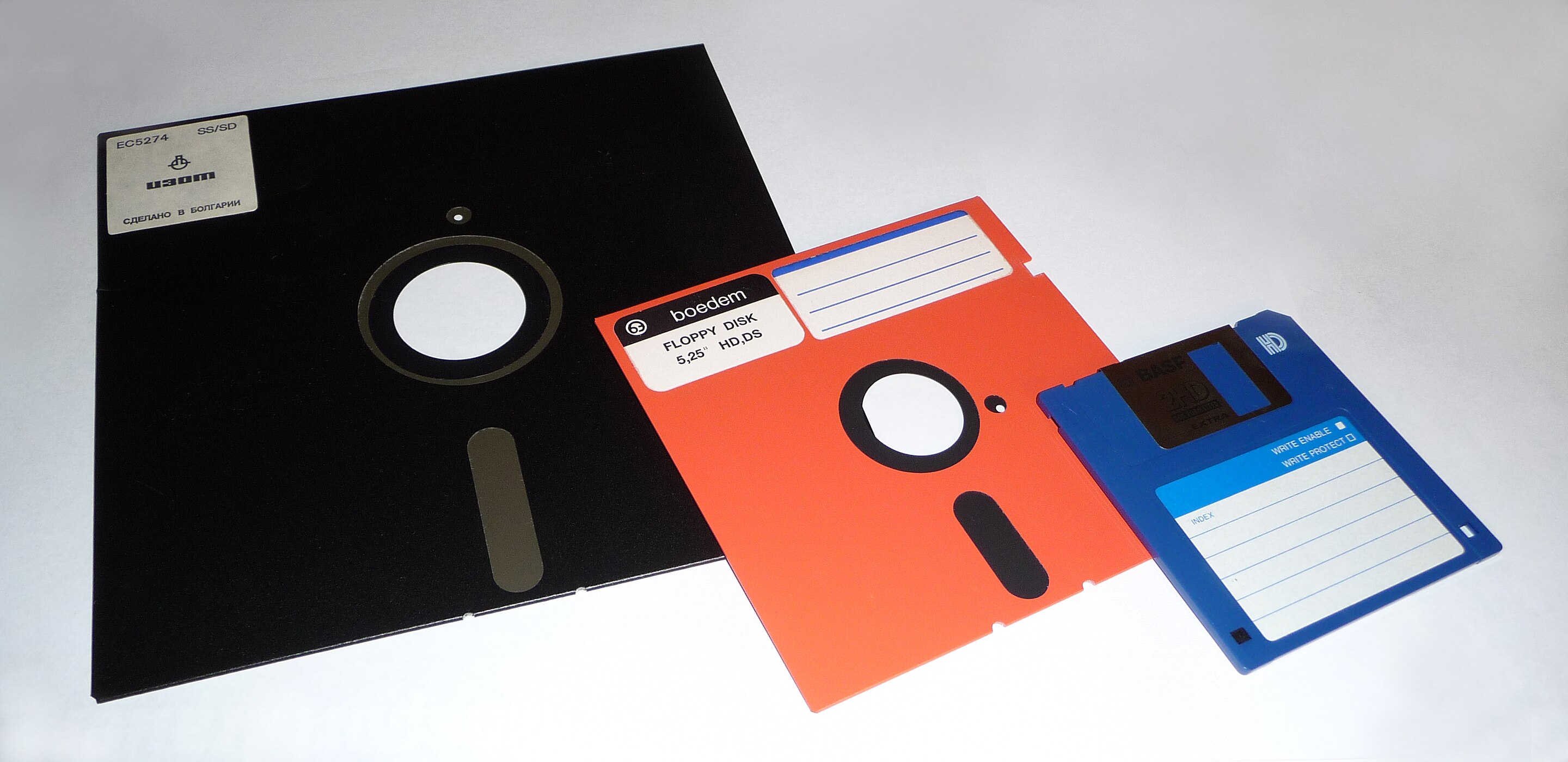
A floppy disk or floppy diskette (casually referred to as a floppy, or a diskette) is an obsolescent type of disk storage composed of a thin and flexible disk of a magnetic storage medium in a square or nearly square plastic enclosure lined with a fabric that removes dust particles from the spinning disk. Floppy disks store digital data which can be read and written when the disk is inserted into a floppy disk drive (FDD) connected to or inside a computer or other device.
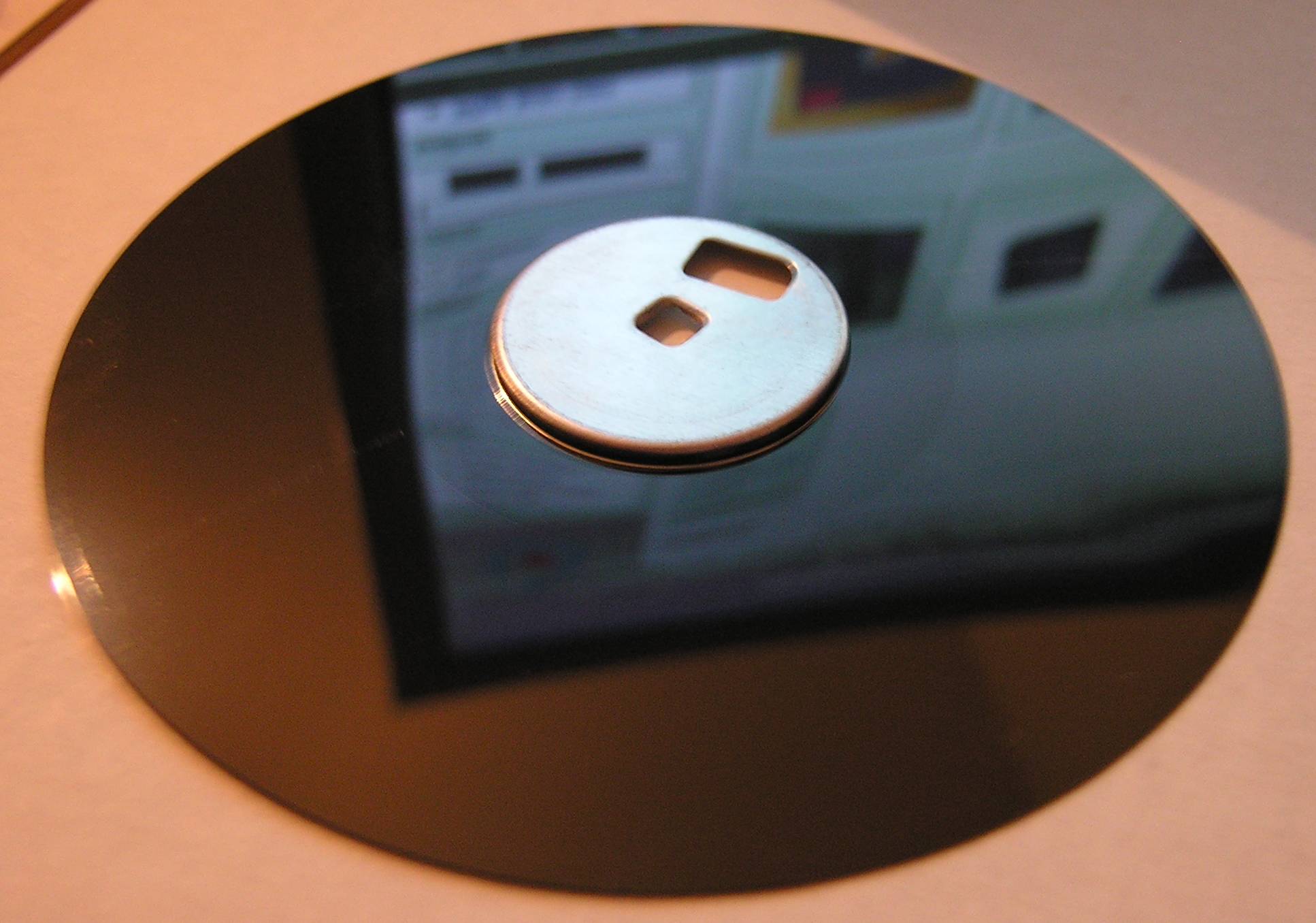
3+12-inch floppy disk
removed from its housing
The first floppy disks, invented and made by IBM, had a disk diameter of 8 inches (203.2 mm). Subsequently, the 5¼-inch and then the 3½-inch became a ubiquitous form of data storage and transfer into the first years of the 21st century. 3½-inch floppy disks can still be used with an external USB floppy disk drive. USB drives for 5¼-inch, 8-inch, and other-size floppy disks are rare to non-existent. Some individuals and organizations continue to use older equipment to read or transfer data from floppy disks.

Floppy disks were so common in late 20th-century culture that many electronic and software programs continue to use save icons that look like floppy disks well into the 21st century. While floppy disk drives still have some limited uses, especially with legacy industrial computer equipment, they have been superseded by data storage methods with much greater data storage capacity and data transfer speed, such as USB flash drives, memory cards, optical discs, and storage available through local computer networks and cloud storage.

History

The first commercial floppy disks, developed in the late 1960s, were 8 inches (203.2 mm) in diameter; they became commercially available in 1971 as a component of IBM products and both drives and disks were then sold separately starting in 1972 by Memorex and others. These disks and associated drives were produced and improved upon by IBM and other companies such as Memorex, Shugart Associates, and Burroughs Corporation. The term "floppy disk" appeared in print as early as 1970, and although IBM announced its first media as the Type 1 Diskette in 1973, the industry continued to use the terms "floppy disk" or "floppy".
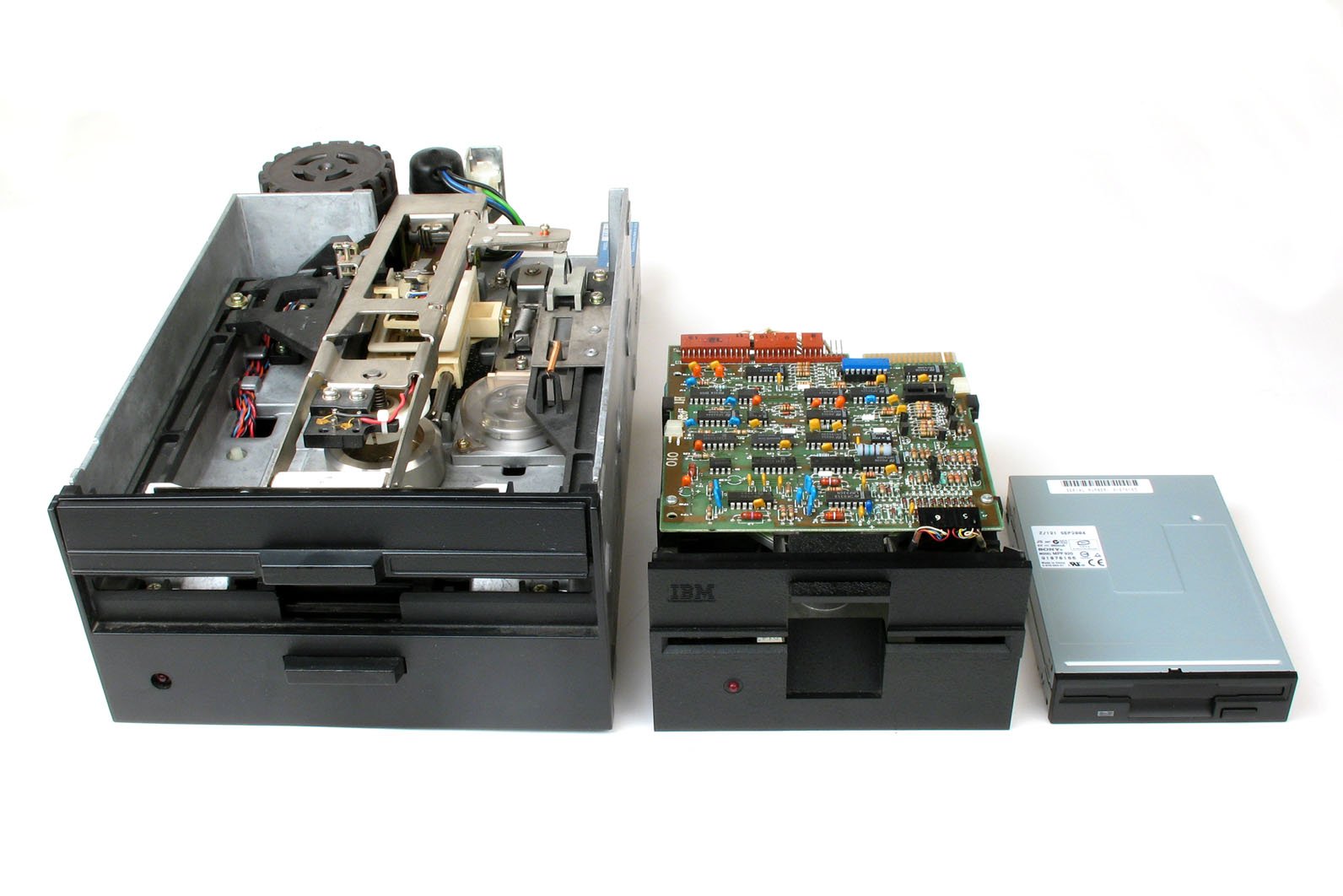
8-inch, 5+1⁄4-inch (full height),
and 3+1⁄2-inch drives

In 1976, Shugart Associates introduced the 5¼-inch FDD. By 1978, there were more than ten manufacturers producing such FDDs. There were competing floppy disk formats, with hard- and soft-sector versions and encoding schemes such as differential Manchester encoding (DM), modified frequency modulation (MFM), M2FM and group coded recording (GCR). The 5¼-inch format displaced the 8-inch one for most uses, and the hard-sectored disk format disappeared. The most common capacity of the 5¼-inch format in DOS-based PCs was 360 KB, for the Double-Sided Double-Density (DSDD) format using MFM encoding. In 1984, IBM introduced with its PC/AT the 1.2 MB dual-sided 5¼-inch floppy disk, but it never became very popular. IBM started using the 720 KB double density 3½-inch microfloppy disk on its Convertible laptop computer in 1986 and the 1.44 MB high-density version with the IBM Personal System/2 (PS/2) line in 1987. These disk drives could be added to older PC models. In 1988, Y-E Data introduced a drive for 2.88 MB Double-Sided Extended-Density (DSED) diskettes which was used by IBM in its top-of-the-line PS/2 and some RS/6000 models and in the second-generation NeXTcube and NeXTstation; however, this format had limited market success due to lack of standards and movement to 1.44 MB drives.

Throughout the early 1980s, limits of the 5¼-inch format became clear. Originally designed to be more practical than the 8-inch format, it was becoming considered too large; as the quality of recording media grew, data could be stored in a smaller area. Several solutions were developed, with drives at 2-, 2½-, 3-, 3¼-, 3½- and 4-inches (and Sony's 90 mm × 94 mm (3.54 in × 3.70 in) disk) offered by various companies. They all had several advantages over the old format, including a rigid case with a sliding metal (or later, sometimes plastic) shutter over the head slot, which helped protect the delicate magnetic medium from dust and damage, and a sliding write protection tab, which was far more convenient than the adhesive tabs used with earlier disks. The large market share of the well-established 5¼-inch format made it difficult for these diverse mutually-incompatible new formats to gain significant market share. A variant on the Sony design, introduced in 1982 by many manufacturers, was then rapidly adopted. By 1988, the 3½-inch was outselling the 5¼-inch.

Generally, the term floppy disk persisted, even though later style floppy disks have a rigid case around an internal floppy disk.

By the end of the 1980s, 5¼-inch disks had been superseded by 3½-inch disks. During this time, PCs frequently came equipped with drives of both sizes. By the mid-1990s, 5¼-inch drives had virtually disappeared, as the 3½-inch disk became the predominant floppy disk. The advantages of the 3½-inch disk were its higher capacity, its smaller physical size, and its rigid case which provided better protection from dirt and other environmental risks.

Prevalence

Floppy disks became commonplace during the 1980s and 1990s in their use with personal computers to distribute software, transfer data, and create backups. Before hard disks became affordable to the general population, floppy disks were often used to store a computer's operating system (OS). Most home computers from that time have an elementary OS and BASIC stored in read-only memory (ROM), with the option of loading a more advanced OS from a floppy disk.


By the early 1990s, the increasing software size meant large packages like Windows or Adobe Photoshop required a dozen disks or more. In 1996, there were an estimated five billion standard floppy disks in use. Then, distribution of larger packages was gradually replaced by CD-ROMs, DVDs, and online distribution.
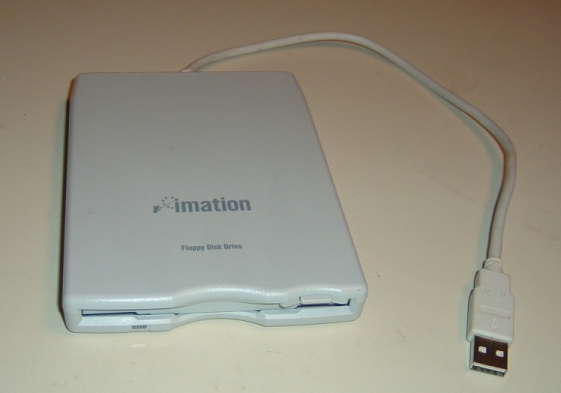
Imation USB floppy drive, model 01946:
an external drive that accepts high-density disks
An attempt to enhance the existing 3½-inch designs was the SuperDisk in the late 1990s, using very narrow data tracks and a high precision head guidance mechanism with a capacity of 120 MB[12] and backward-compatibility with standard 3½-inch floppies; a format war briefly occurred between SuperDisk and other high-density floppy-disk products, although ultimately recordable CDs/DVDs, solid-state flash storage, and eventually cloud-based online storage would render all these removable disk formats obsolete. External USB-based floppy disk drives are still available, and many modern systems provide firmware support for booting from such drives.

Gradual transition to other formats

In the mid-1990s, mechanically incompatible higher-density floppy disks were introduced, like the Iomega Zip disk. Adoption was limited by the competition between proprietary formats and the need to buy expensive drives for computers where the disks would be used. In some cases, failure in market penetration was exacerbated by the release of higher-capacity versions of the drive and media being not backward-compatible with the original drives, dividing the users between new and old adopters. Consumers were wary of making costly investments into unproven and rapidly changing technologies, so none of the technologies became the established standard.

Apple introduced the iMac G3 in 1998 with a CD-ROM drive but no floppy drive; this made USB-connected floppy drives popular accessories, as the iMac came without any writable removable media device.

Recordable CDs were touted as an alternative, because of the greater capacity, compatibility with
existing CD-ROM drives, and—with the advent of re-writeable CDs and packet writing—a similar reusability as floppy disks. However, CD-R/RWs remained mostly an archival medium, not a medium for exchanging data or editing files on the medium itself, because there was no common standard for packet writing which allowed for small updates. Other formats, such as magneto-optical discs, had the flexibility of floppy disks combined with greater capacity, but remained niche due to costs. High-capacity backward compatible floppy technologies became popular for a while and were sold as an option or even included in standard PCs, but in the long run, their use was limited to professionals and enthusiasts.

Flash-based USB-thumb drives finally were a practical and popular replacement, that supported traditional file systems and all common usage scenarios of floppy disks. As opposed to other solutions, no new drive type or special software was required that impeded adoption, since all that was necessary was an already common USB port.

Usage in the 21st Century

By 2002, most manufacturers still provided floppy disk drives as standard equipment to meet user demand for file-transfer and an emergency boot device, as well as for the general secure feeling of having the familiar device. By this time, the retail cost of a floppy drive had fallen to around $20 (equivalent to $30 in 2021), so there was little financial incentive to omit the device from a system. Subsequently, enabled by the widespread support for USB flash drives and BIOS boot, manufacturers and retailers progressively reduced the availability of floppy disk drives as standard equipment. In February 2003, Dell, one of the leading personal computer vendors, announced that floppy drives would no longer be pre-installed on Dell Dimension home computers, although they were still available as a selectable option and purchasable as an aftermarket OEM add-on. By January 2007, only 2% of computers sold in stores contained built-in floppy disk drives.

Floppy disks are used for emergency boots in aging systems lacking support for other bootable media and for BIOS updates, since most BIOS and firmware programs can still be executed from bootable floppy disks. If BIOS updates fail or become corrupt, floppy drives can sometimes be used to perform a recovery. The music and theatre industries still use equipment requiring standard floppy disks (e.g. synthesizers, samplers, drum machines, sequencers, and lighting consoles). Industrial automation equipment such as programmable machinery and industrial robots may not have a USB interface; data and programs are then loaded from disks, damageable in industrial environments. This equipment may not be replaced due to cost or requirement for continuous availability; existing software emulation and virtualization do not solve this problem because a customized operating system is used that has no drivers for USB devices. Hardware floppy disk emulators can be made to interface floppy-disk controllers to a USB port that can be used for flash drives.


Different data storage media (Examples include:
Flash drive, CD, tape drive, and CompactFlash)
In May 2016, the United States Government Accountability Office released a report that covered the need to upgrade or replace legacy computer systems within federal agencies. According to this document, old IBM Series/1 minicomputers running on 8-inch floppy disks are still used to coordinate "the operational functions of the United States' nuclear forces". The government planned to update some of the technology by the end of the 2017 fiscal year.


Windows 10 and Windows 11 no longer comes with drivers for floppy disk drives (both internal and external). However, they will still support them with a separate device driver provided by Microsoft.

The British Airways Boeing 747-400 fleet, up to its retirement in 2020, used 3.5-inch floppy disks to load avionics software.

Some workstations in corporate computing environments still retained floppy disks while disabling USB ports, both moves done to restrict the amount of data that could be copied by unscrupulous employees.

Sony, who had been in the floppy disk business since 1983, ended domestic sales of all six 3.5-inch floppy disk models as of March 2011. This has been viewed by some as the end of the floppy disk. While production of new floppy disk media has ceased, sales and uses of this media from inventories is expected to continue until at least 2026.

FURTHER READING HERE: WIKIPEDIA POST


Dr Robot: How automation and tech could cure the crumbling NHS


As he prepares to slash the number of managers running NHS England by as much as half, Rishi Sunak has proffered a potential solution to the crisis engulfing the health service: Send in the robots.

The Prime Minister has vowed to “radically innovate”, using new technology to deliver healthcare reforms that will challenge “conventional wisdom”.

His suggestion conjures images of Arnold Schwarzenegger’s Terminator carrying patients into A&E, or the sinister HAL 9000 overseeing hospital wards. However, experts say the reality is more prosaic – and ultimately more useful. Improvements can be made in digital record keeping, appointment management and analysis of X-rays that could yield huge improvements.

The overhaul proposed by Mr Sunak comes at a critical time, with the NHS battling inflation, recruitment problems and an enormous patient backlog following the Covid crisis. A record 7.1 million patients are waiting for procedures in England, up from 4.2 million before the pandemic.

This is contributing to the huge tally of 2.5 million people who are unable to work because of long-term sickness, which is acting as a drag anchor on economic growth.

Although automation cannot completely fix the NHS's problems, there are hopes it can at least lighten the load. The ultimate goal of rolling out technology across the NHS is to free up staff time to use their time more productively.

At the moment, even simple tasks can be frustrating. Everything from how much fluid a patient has drunk to whether they have been turned in bed must be diligently entered into an electronic records system, but just logging on to sluggish hospital computers can sometimes take five to 10 minutes alone. Hospital computer systems are also usually not linked up to GP surgeries and social care providers, which often forces staff to manually request information be shared by email or phone.

Worse still, it is not uncommon for patients to be transferred from one hospital to another with no electronic records at all. Instead, they arrive accompanied by a sheaf of papers that must be read through.

Many of these basic problems would be tackled if a national strategy published during the summer is adopted, which will require local NHS care systems to have joined-up patient records by March 2025.

The strategy also calls for more technology to improve patient care, particularly in diagnostics. Artificial intelligence (AI) – or machines trained to recognise patterns from huge troves of data – may in future be used to analyse X-ray images and CT scans, offering diagnostics with just as much precision as a doctor.

Google’s artificial intelligence division DeepMind has already developed software that can diagnose eye diseases that are as good and sometimes better than top doctors, according to a 2018 paper.

Robots could suggest treatments, help to triage patients, automatically deliver tests results and book people in for in-person consultations.

Tom Hardie, a senior fellow at The Health Foundation, says automation could help tackle “the mountain of admin” in the NHS, including letter-writing, paperwork and scheduling.

One trust in Suffolk has trialled the automation of appointment reminders using a text-messaging system, which can reallocate free slots when patients cancel. The system has cut missed appointments and sped up GP referrals.

In another example, Imperial College Healthcare NHS Trust has trialled the use of AI to analyse thousands of patient feedback forms in minutes – a task that would normally take several days to produce reports on how services need to improve.

Other technologies go beyond the confines of the hospital and into patients’ own homes.

A pioneering scheme called Project Breathe in Cambridgeshire involved people with cystic fibrosis, a genetic condition that weakens the lungs and affects the digestive system. Sufferers were given wearable digital devices that monitored lung function, blood oxygen levels, weight, sleep and temperature, with this information uploaded to “the cloud” via their smartphone.

A machine algorithm was then used to spot any worrying symptoms and deliver alerts to clinicians at the Royal Papworth Hospital, allowing them to intervene sooner and prevent the need for a lengthy stay in hospital.

Another promising area automation could transform is cancer diagnoses. Machines trained to spot anomalies in scans have proved highly accurate in academic studies.

Hardie believes these kinds of systems, which “augment” rather than replace human beings in the NHS, will help to make the health system more efficient and ease pressures on staff.

“That is partly because many tasks in healthcare are not wholly automatable and human agency is such an important factor,” he explains.

Despite the promise of a utopian tech-powered future, attempts to digitise the NHS have proven stubbornly difficult over the years.

Many private companies complain that a mess of red tape slows down work with the NHS and say contracts offered by the cash-strapped service are not profitable enough.

Professor Sir John Bell, Oxford University’s regius professor of medicine and an adviser to the Government, says that medical staff under huge pressure to meet targets can also be resistant to new technology because of fears it will go wrong and simply make things worse.

But he points to innovation that happened during the Covid pandemic, borne out of necessity, as proof that big changes can be made.

The health service, the Government, private sector and regulators came together to rapidly deploy mass testing systems and the vaccination rollout during the crisis, with rules that would have blocked easy information-sharing temporarily waved away by ministers.

It resulted in British authorities having a better analysis on the spread of the disease than almost any other government, Bell argues.

“People said we're in a hurry, we're going to get this stuff done quickly. I call it the burning platform mentality,” he adds.

“But now many barriers have reappeared and the speed at which stuff happens has become glacial again.”

Automation could make an enormous difference, he says, but the organisation itself lacks the in-house expertise to develop the powerful, scalable software that is needed.

“I think it requires serious collaboration with the tech companies,” he adds. “Apple or Microsoft, or Oracle – they really get this stuff, they've got terrific software capabilities and they can make stuff that works.”

More futuristic solutions were also proffered in a 2018 report by Lord Darzi and the Institute for Public Policy Research, including the introduction of physical robots that stitch wounds, bring patients meals and porter them around buildings.

Pritesh Mistry, a fellow for digital technologies at the Kings Fund, says some of the most impactful changes may end up being mundane, rather than cutting-edge.

“The real low hanging fruit is things like reliability of systems, quicker devices and things like that,” Mistry says.

“Making sure the technology actually works through better IT support, so it doesn't take up more staff time, doesn’t require them to be trained up or change their processes and workflows, that might be the easiest thing to do.”

Hardie agrees, saying that basic measures which ease pressures on staff could then free up time for them to begin thinking about further efficiencies.

“A lot of healthcare staff are exhausted and overstretched, not just because of Covid-19, but also because there's a significant number of vacancies,” he says.

“So technology, if we get it right, might be able to support them to work in a more sustainable way.”

If it comes to pass, Sunak's vision for a tech-empowered health service will be more akin to a Microsoft Office update than the arrival of Dr Terminator.


Monday, 28 November 2022

Meta is making a small but mighty upgrade to its data centers


Meta has launched a new network timing protocol for its data centers, dubbed the Precision Time Protocol (PTP), which it claims will improve accuracy and precision across its networks.

The tech giant has previously used the older industry standard Network Time Protocol (NTP) to govern use cases such as messaging, videoconferencing, and online gaming which rely on precise, accurate timing among multiple servers and sometimes multiple data centers. 

After a successful pilot, Meta has started extending PTP into all its data centers, claiming that it can provide sub-microsecond accuracy, as opposed to NTP, which provides infinitesimally slower millisecond accuracy.

What is the PTP?

Unlike NTP, PTP uses a "master-slave" approach to its architecture, syncing to a single grandmaster clock, using techniques like hardware timestamping and "transparent clocks" to improve consistency and symmetry.

In contrast, systems and servers that use NTP are asynchronous, according to Meta, as they are distributed systems without a single global clock.

These data center clocks do their jobs independently, but they check in with one another to make sure they’re in sync.

Meta claims that even though the telecom industry has been using PTP for "well over a decade", hyperscale data centers have been slow to adopt it. 

What does this mean for users?

Meta claims this new technology will be beneficial for use cases where “lag” can be an issue, such as cloud-based gaming, particularly of the more graphically intensive variety. The tech giant also claims it could help with advanced remote collaboration and video conferencing.

In addition, Meta claims that PTP has the potential to enable the synchronization of GPUs across data centers, which could open up a level of "unprecedented scale" in AI capabilities that would be hard to achieve with current technology.

If PTP sounds like something which you may be interested in, Meta is set to make all of its PTP-related work open source, including the source code for its Time Appliance client software and transparent clock.

Source: https://www.msn.com/en-gb/money/technology/meta-is-making-a-small-but-mighty-upgrade-to-its-data-centers/ar-AA14qk9I?ocid=msedgntp&cvid=3489799e56544e22dfb75cf80825ee58

WhatsApp data breach sees nearly 500 million user records up for sale


A post on a “well-known hacking community forum” claims almost half a billion WhatsApp records have been breached and are up for sale.

The post, which multiple sources have confirmed is likely to be true, claims to be selling an up-to-date, 2022 database of 487 million mobile numbers used on WhatsApp, which contains data from 84 countries.

This means that almost one-quarter of all WhatsApp's estimated two billion monthly active users are possible at risk.

WhatsApp data breach

More than 32 million of the leaked records are said to be from users in the US, with 11 million from UK users. Other affected nations include Egypt (45 million), Italy (35 million), Saudi Arabia (29 million), France (20 million), Turkey (20 million), and Russia (10 million). 

It seems that individual countries’ data is up for grabs, with the US dataset up for $7,000, and British numbers up for a similar per-capita figure of $2,500.

Most alarmingly, it doesn’t seem to be an empty promise designed to threaten the Meta-owned company, with almost 2,000 numbers shared with Cybernews in a sample request verified to be WhatsApp users.

Leaked phone numbers could be used for any number of reasons, including marketing and phishing, highlighting the importance of a good ID theft protection tool.

This isn’t the first time that WhatsApp has hit the headlines for data security, and while it may not be alone, its history is one that has been plagued with vulnerabilities and scams.

TechRadar Pro has reached out to Meta to verify the authenticity of this seller’s claims and for further comment, which will be posted here if and when received. 

These are the best authenticator apps for protecting your accounts

Source: https://www.msn.com/en-gb/money/technology/whatsapp-data-breach-sees-nearly-500-million-user-records-up-for-sale/ar-AA14yRG5?ocid=msedgntp&cvid=3489799e56544e22dfb75cf80825ee58

This ransomware will steal your Discord account and encrypt all your files for good measure


A new ransomware family has been detected targeting the cryptocurrency community. 

Cybersecurity researchers from Cyble recently discovered a strain they dubbed “AXLocker” which, aside from the usual encrypting of all files found on the endpoint, also ends up stealing Discord authentication tokens from the victims.

Discord is a communications platform that’s been around for quite some time, but has recently found new life in the cryptocurrency community. NFT projects, crypto tokens, and similar start-ups have chosen Discord as their communications platform of choice. 

48-hour deadline

When a user logs into Discord, the platform installs a small token onto the computer, so that the user doesn’t need to authenticate every time they come back. Stealing this token would allow threat actors access to the victim’s account, even without knowing their passwords or other login details.

Other than that, AXLocker is nothing out of the ordinary. Once triggered, the malware targets specific file extensions and avoids some folders. It encrypts the files using the AES algorithm, but it doesn’t change their extensions - they remain with their normal filenames. It demands payment in cryptocurrency and gives users 48 hours to comply. 

While the NFT and crypto community is used to cyberattacks and various criminals going after their digital belongings, stealing Discord tokens in the process makes this ransomware attack a lot more potent. 

After all, should an owner, or developer, of such a project, have their Discord tokens taken, crooks could abuse their identity to launch fake campaigns and steal the community members’ NFTs and cryptocurrencies. 

Still, according to BleepingComputer, the targets of AXLocker are first and foremost - consumers. 

There was no word on AXLocker’s distribution method. Usually, threat actors would go for phishing emails, fake landing pages, and social engineering (fake LinkedIn identities, for example) to trick people into downloading and running the malware.

Source: https://www.msn.com/en-gb/money/technology/this-ransomware-will-steal-your-discord-account-and-encrypt-all-your-files-for-good-measure/ar-AA14nqr1?ocid=msedgntp&cvid=2405b4966b4a4707d634f07a7a5de3a6

Elon Musk wants Twitter DMs to be more secure, interested in video and voice chat


What you need to know

Elon Musk told employees his plan for Twitter 2.0 involves encrypting user DMs.

Musk spoke with Signal's creator and former CEO Moxie Marlinspike about how to go about this with the creator seemingly interested in assisting with the process.

Musk also mentions wanting to offer video and voice chatting features to users through DMs.


It seems as though Elon Musk is interested in encrypting users' DMs on Twitter while also floating the thought of adding a couple of new features.

Musk's new Twitter 2.0 vision has had quite a rocky start after many of the company's remaining employees left, but the billionaire continues pushing through, per a recent meeting held at Twitter's HQ on Monday (via a recording obtained by The Verge). In the meeting, Musk expressed interest in encrypting the private messages sent from user to user on Twitter.

He stated that it "should be the case that I can’t look at anyone’s DMs if somebody has put a gun to my head." To do this, Musk has apparently spoken to the creator of the popular messaging app Signal, Moxie Marlinspike, to possibly help with the feature.

Signal is one of the best messaging apps on Android due to the fact that it has long offered end-to-end encryption. The messaging service in October announced it would soon stop supporting SMS on Android devices for security reasons. This move not only ensures the app's end-to-end encryption keeps your information secure but also assists users in receiving unwelcome messaging fees.

It appears as though their initial talks had gone well, with the former Signal CEO "potentially willing" to assist Twitter with its DM encryption software.

During the meeting, Elon stressed that he does not want users to be concerned about the privacy of their messages from parties inside or outside Twitter, particularly when it comes to data breaches.

Twitter's new CEO didn't stop there as he also expressed his interest in bringing video and voice chat to users, likely through DMs to keep conversations private. It's a feature that is surprisingly absent from the platform, given its presence on messaging apps like Messenger, Instagram, and others.

Source: https://www.msn.com/en-gb/money/technology/elon-musk-wants-twitter-dms-to-be-more-secure-interested-in-video-and-voice-chat/ar-AA14r4Rc?ocid=msedgntp&cvid=4c313ed7362148b5eaeda15f066315b5

Cyber-mercenary group Bahamut strikes again via fake Android VPN apps


An infamous cyber-mercenary group is injecting Android devices with a spyware to steal users' conversations, new ESET research has found. 

These malware attacks are launched via fake Android VPN apps, with evidence suggesting the hackers employed malicious versions of SecureVPN, SoftVPN and OpenVPN software. 

Known as Bahamut ATP, the group is thought to be a service for hire that typically launches attacks through spear phishing messages and fake applications. According to previous reports, its hackers have been targeting both organizations and individuals across the Middle East and South Asia since 2016. 

Estimated to have begun in January 2022, ESET researchers believe that the group's campaign of distributing malicious VPNs currently remains ongoing. 

From phishing emails to fake VPNs

"The campaign appears to be highly targeted, as we see no instances in our telemetry data," said Lukáš Štefanko, the ESET researcher who first discovered the malware. 

"Additionally, the app requests an activation key before the VPN and spyware functionality can be enabled. Both the activation key and website link are likely sent to targeted users."

Štefanko explains that, once the app is activated, Bahamut hackers can remotely control the spyware. This means that they are able to infiltrate and harvest a ton of users' sensitive data.

"The data exfiltration is done via the keylogging functionality of the malware, which misuses accessibility services," he said.

From SMS messages, call logs, device locations and any other details, to even encrypted messaging apps like WhatsApp, Telegram or Signal, these cybercriminals can spy on virtually anything they found on victims' devices without them knowing it. 

ESET identified at least eight versions of these trojanaized VPN services, meaning that the campaign is well-maintained. 

It is worth noting that in no instance was malicious software associated with the legitimate service, and none of the malware-infected apps were promoted on Google Play. 

The initial distribution vector is still unknown, though. Looking back at how Bahamut ATP usually works, a malicious link could have been sent via email, social media or SMS. 

What do we know about Bahamut APT?

Despite still being not clear who's behind, the Bahamut ATP seems to be a collective of mercenary hackers as their attacks don't really follow a specific political interest.

Bahamut has been prolifically conducting cyberespionage campaigns since 2016, mainly across the Middle East and South Asia. 

The investigative journalism group Bellingcat was the one first exposing their operations in 2017, describing how both international and regional powers actively engaged in such surveillance operations. 

"Bahamut is therefore notable as a vision of the future where modern communications has lowered barriers for smaller countries to conduct effective surveillance on domestic dissidents and to extend themselves beyond their borders," concluded Bellingcat at the time.  

The group was then renamed Bahamut, after the giant fish floating in the Arabian Sea described in Jorge Luis Borges’ Book of Imaginary Beings.  

More recently, another investigation highlighted how the Advanced Persistent Threat (APT) group is increasingly turning on mobile devices as a main target. 

Cybersecurity firm Cyble first spotted this new trend last April, noting that the Bahamut group "plans their attack on the target, stays in the wild for a while, allows their attack to affect many individuals and organizations, and finally steals their data."

Also in this case, researchers stressed the cybercriminals' ability to develop such a well-designed phishing site to trick victims and gain their trust.

As Lukáš Štefanko confirmed for the fake Android apps incident: "The spyware code, and hence its functionality, is the same as in previous campaigns, including collecting data to be exfiltrated in a local database before sending it to the operators’ server, a tactic rarely seen in mobile cyberespionage apps."

Source: https://www.msn.com/en-gb/money/technology/cyber-mercenary-group-bahamut-strikes-again-via-fake-android-vpn-apps/ar-AA14tDwz?ocid=msedgntp&cvid=306cbb07cc9a424b8c151c84e6e65cdf

What is an MVMe?


NVM Express (NVMe) or Non-Volatile Memory Host Controller Interface Specification (NVMHCIS) is an open, logical-device interface specification for accessing a computer's non-volatile storage media usually attached via PCI Express (PCIe) bus. The initialism NVM stands for non-volatile memory, which is often NAND flash memory that comes in several physical form factors, including solid-state drives (SSDs), PCIe add-in cards, and M.2 cards, the successor to mSATA cards. NVM Express, as a logical-device interface, has been designed to capitalize on the low latency and internal parallelism of solid-state storage devices.

Architecturally, the logic for NVMe is physically stored within and executed by the NVMe controller chip that is physically co-located with the storage media, usually an SSD. Version changes for NVMe, e.g., 1.3 to 1.4, are incorporated within the storage media, and do not affect PCIe-compatible components such as motherboards and CPUs.

By its design, NVM Express allows host hardware and software to fully exploit the levels of parallelism possible in modern SSDs. As a result, NVM Express reduces I/O overhead and brings various performance improvements relative to previous logical-device interfaces, including multiple long command queues, and reduced latency. The previous interface protocols like AHCI were developed for use with far slower hard disk drives (HDD) where a very lengthy delay (relative to CPU operations) exists between a request and data transfer, where data speeds are much slower than RAM speeds, and where disk rotation and seek time give rise to further optimization requirements.

NVM Express devices are chiefly available in the form of standard-sized PCI Express expansion cards and as 2.5-inch form-factor devices that provide a four-lane PCI Express interface through the U.2 connector (formerly known as SFF-8639). Storage devices using SATA Express and the M.2 specification which support NVM Express as the logical-device interface are a popular use-case for NVMe and have become the dominant form of solid-state storage for servers, desktops, and laptops alike.

Background

Historically, most SSDs used buses such as SATA, SAS or Fibre Channel for interfacing with the rest of a computer system. Since SSDs became available in mass markets, SATA has become the most typical way for connecting SSDs in personal computers; however, SATA was designed primarily for interfacing with mechanical hard disk drives (HDDs), and it became increasingly inadequate for SSDs, which improved in speed over time. For example, within about five years of mass market mainstream adoption (2005–2010) many SSDs were already held back by the comparatively slow data rates available for hard drives—unlike hard disk drives, some SSDs are limited by the maximum throughput of SATA.

High-end SSDs had been made using the PCI Express bus before NVMe, but using non-standard specification interfaces. By standardizing the interface of SSDs, operating systems only need one common device driver to work with all SSDs adhering to the specification. It also means that each SSD manufacturer does not have to design specific interface drivers. This is similar to how USB mass storage devices are built to follow the USB mass-storage device class specification and work with all computers, with no per-device drivers needed.

NVM Express devices are also used as the building block of the burst buffer storage in many leading supercomputers, such as Fugaku Supercomputer, Summit Supercomputer and Sierra Supercomputer, etc

History

The first details of a new standard for accessing non-volatile memory emerged at the Intel Developer Forum 2007, when NVMHCI was shown as the host-side protocol of a proposed architectural design that had Open NAND Flash Interface Working Group (ONFI) on the memory (flash) chips side. A NVMHCI working group led by Intel was formed that year. The NVMHCI 1.0 specification was completed in April 2008 and released on Intel's web site.

Technical work on NVMe began in the second half of 2009. The NVMe specifications were developed by the NVM Express Workgroup, which consists of more than 90 companies; Amber Huffman of Intel was the working group's chair. Version 1.0 of the specification was released on 1 March 2011,[19] while version 1.1 of the specification was released on 11 October 2012. Major features added in version 1.1 are multi-path I/O (with namespace sharing) and arbitrary-length scatter-gather I/O. It is expected that future revisions will significantly enhance namespace management. Because of its feature focus, NVMe 1.1 was initially called "Enterprise NVMHCI". An update for the base NVMe specification, called version 1.0e, was released in January 2013. In June 2011, a Promoter Group led by seven companies was formed.

The first commercially available NVMe chipsets were released by Integrated Device Technology (89HF16P04AG3 and 89HF32P08AG3) in August 2012. The first NVMe drive, Samsung's XS1715 enterprise drive, was announced in July 2013; according to Samsung, this drive supported 3 GB/s read speeds, six times faster than their previous enterprise offerings. The LSI SandForce SF3700 controller family, released in November 2013, also supports NVMe. A Kingston HyperX "prosumer" product using this controller was showcased at the Consumer Electronics Show 2014 and promised similar performance. In June 2014, Intel announced their first NVM Express products, the Intel SSD data center family that interfaces with the host through PCI Express bus, which includes the DC P3700 series, the DC P3600 series, and the DC P3500 series. As of November 2014, NVMe drives are commercially available.

In March 2014, the group incorporated to become NVM Express, Inc., which as of November 2014 consists of more than 65 companies from across the industry. NVM Express specifications are owned and maintained by NVM Express, Inc., which also promotes industry awareness of NVM Express as an industry-wide standard. NVM Express, Inc. is directed by a thirteen-member board of directors selected from the Promoter Group, which includes Cisco, Dell, EMC, HGST, Intel, Micron, Microsoft, NetApp, Oracle, PMC, Samsung, SanDisk and Seagate.

In September 2016, the CompactFlash Association announced that it would be releasing a new memory card specification, CFexpress, which uses NVMe.

NVMe Host Memory Buffer (HMB) added in version 1.2 of the NVMe specification. HMB allows SSDs to utilize the host's DRAM, which can improve the I/O performance for DRAM-less SSDs